
Renault Kwid : Renault Kwid continues to stand out as one of India’s most appealing entry‑level hatchbacks in 2026, blending SUV‑inspired styling with unbeatable value starting at ₹4.30 lakh ex‑showroom.
It remains a go‑to choice for first‑time buyers, urban commuters and small families who want a stylish, frugal car that handles city chaos without breaking the bank.
Renault Kwid: Entry Hatch with SUV Flair
Since its launch back in 2015, the Renault Kwid has shaken up the sub‑₹6 lakh segment by borrowing SUV cues like a tall stance, 184mm ground clearance and muscular cladding to make it look bigger than its compact 3731mm length suggests.
In 2026, it still feels fresh with minor updates, CNG options and that distinctive crossover vibe that sets it apart from plain vanilla hatchbacks.
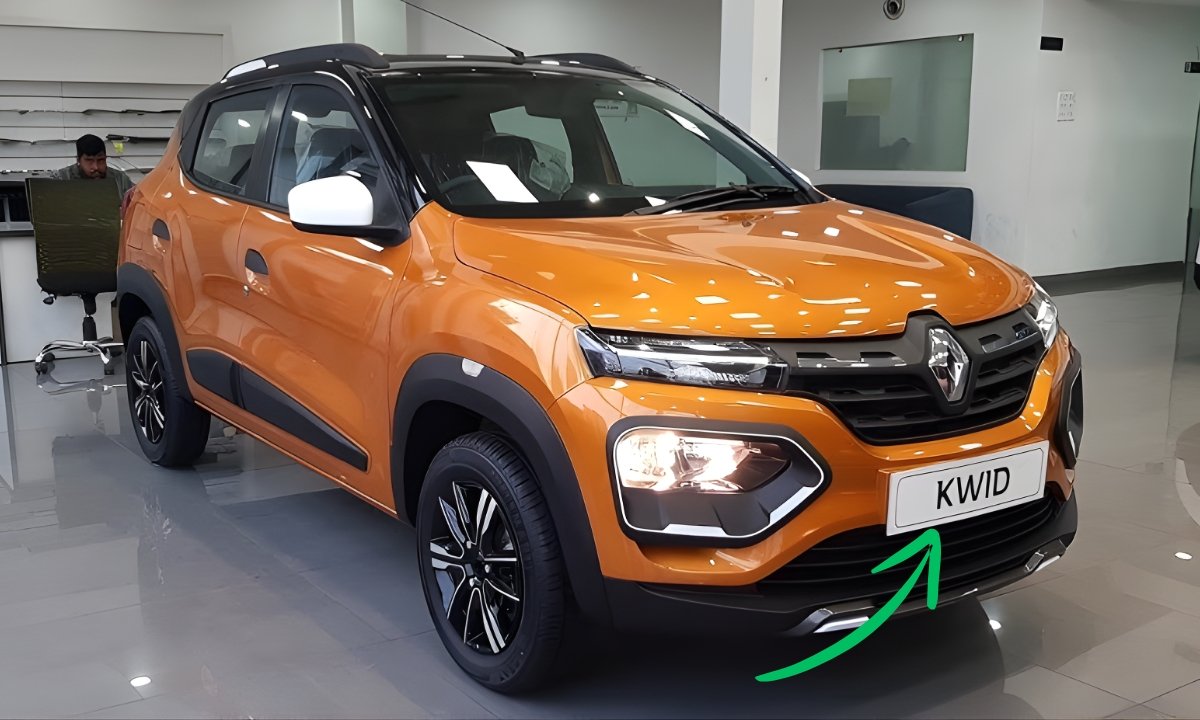
The design grabs attention right away—bold front grille, chunky bumpers and roof rails give it road presence without the bulk of a true SUV, making it perfect for narrow Indian lanes and pothole‑ridden streets.
At just over 700kg, it feels light and nimble, ideal for parking in tight spots or weaving through traffic jams.
Pricing and Variants Breakdown
Renault keeps the Kwid accessible with a lineup spanning seven main variants, priced from ₹4.30 lakh for the base RXE 1.0 to ₹5.88 lakh for the top Climber 1.0 AMT.
On‑road prices typically start around ₹4.80–5 lakh in cities like Delhi or Haryana towns such as Narnaund, factoring in RTO and insurance.
Base trims like RXE and RXL focus on essentials with power steering and basic infotainment, while mid‑spec RXT adds an 8‑inch touchscreen, rear camera and keyless entry.
The Climber variants bring SUV flair with dual‑tone colours, alloy wheels and orange accents, appealing to buyers who want a bit more personality without extra cost. CNG versions in RXL(O) and RXT trims offer even better running costs for high‑mileage users, with on‑road tags hovering around ₹6 lakh.
Powertrain, Mileage and Driving Feel
Under the hood, the Kwid uses a reliable 1.0‑litre three‑cylinder petrol engine making 67 bhp and 91 Nm, available with a 5‑speed manual or AMT automatic.
Claimed mileage stands at 21.7–22.3 kmpl for petrol MT and up to 22.5 kmpl for AMT, while CNG variants push closer to 32–33 km/kg, making it one of the frugal options in class.
Real‑world figures hover around 18–20 kmpl in mixed city driving, which is solid for the price.
The engine feels peppy enough for overtakes and city sprints, with the AMT proving smooth for lazy drivers avoiding clutch work in traffic.
Ride quality is decent over bumps thanks to the high ground clearance, though the light steering takes some getting used to at higher speeds.
It is not a thrill machine, but for daily chores like office runs or school drops, the Kwid delivers without fuss.
Cabin, Features and Safety Kit
Inside, the Kwid punches above its weight with a surprisingly roomy cabin for five, decent boot space around 279 litres and upright seating that gives good visibility.
Higher trims get an 8‑inch touchscreen with Android Auto/Apple CarPlay, digital cluster, steering controls and cooled glovebox, adding modern touches without complexity.
Safety has improved over time, with dual front airbags, ABS with EBD, rear parking sensors/camera, seatbelt reminders, speed alert and hill‑hold on AMT variants now standard in most trims.
Global NCAP gave it a 1‑star rating in older tests, but recent updates like ESC and pretensioners help mitigate concerns for budget buyers. It is basic but adequate for cautious urban driving.
Also Read This : Hero Splendor 125 – Premium 125cc engine bike with 60kmpl mileage
Where Kwid Fits in 2026
Against rivals like Maruti Alto K10, S‑Presso and Tata Tiago, the Kwid shines on style and features but lags slightly on mileage or safety scores.
At sub‑₹6 lakh ex‑showroom, it offers strong value for young buyers or second‑car seekers who prioritise looks and ease over outright efficiency.
A facelift looms with fresh styling and possible EV sibling, but the current model remains a smart, no‑nonsense pick for India’s budget segment